Flamenco Palos: Understand Them and Enjoy Flamenco with a Deeper Appreciation

By Toni Guerra
Discover the different types of flamenco palos, their rhythms, beats and emotions
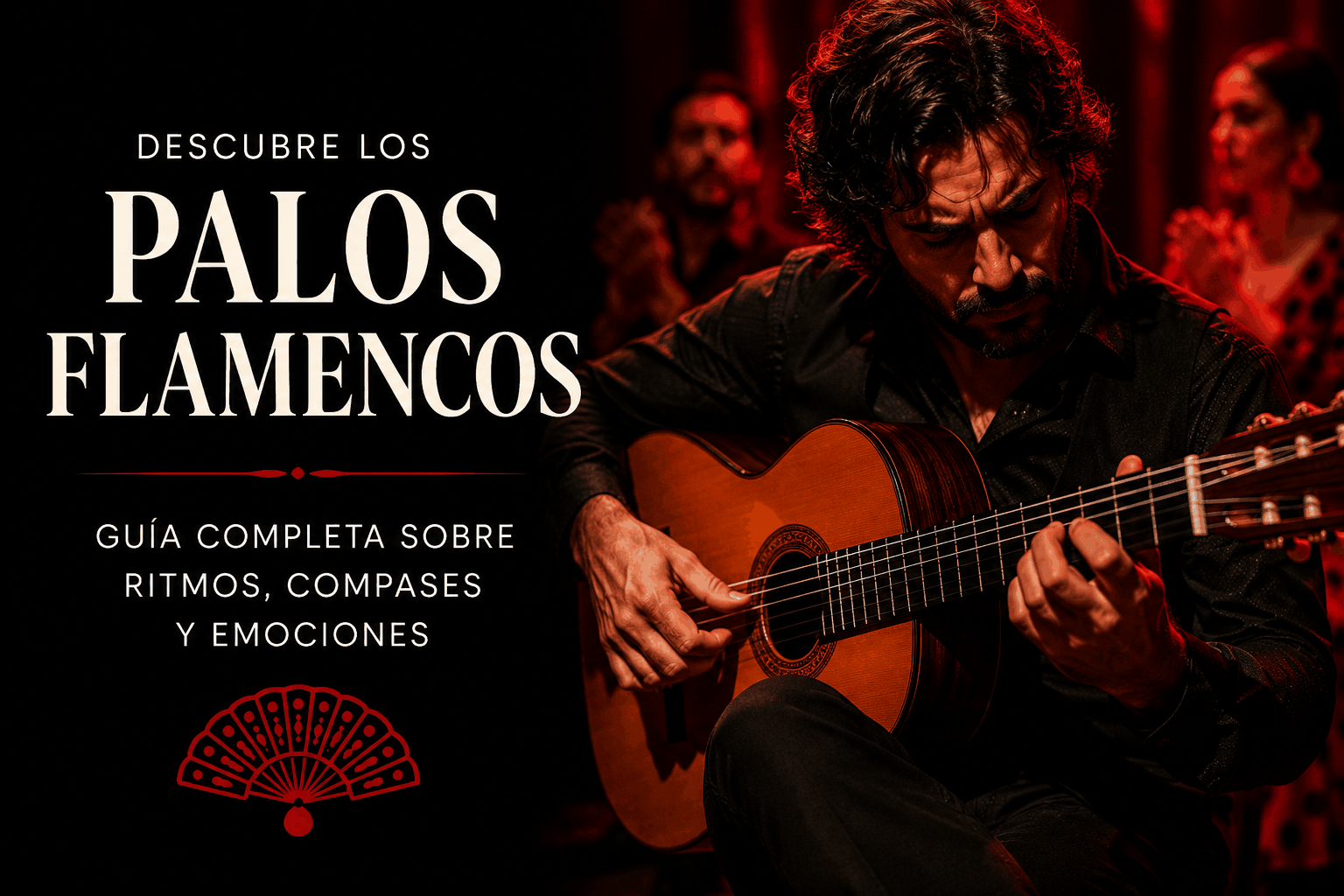
Flamenco is one of Andalusia’s most representative art forms and a cultural expression capable of conveying emotion from the very first guitar chord. But to truly understand this artistic universe, it is important to know the different flamenco palos: the various styles that make up the art of cante jondo.
Each palo has its own compás, rhythm, origin and personality. Some are intense and profound, while others are joyful and festive. Understanding these differences allows you to enjoy any flamenco show much more deeply.
In this guide, you will discover what flamenco palos are, how to recognise them, which styles are the most famous, and which palos you can experience in an authentic flamenco show in Granada.
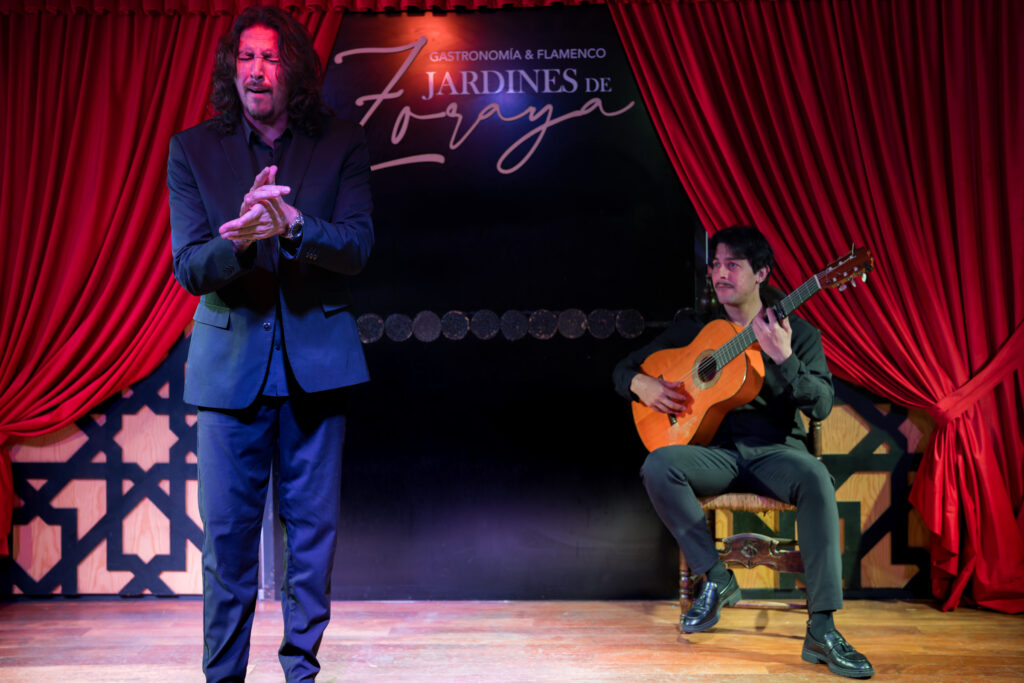
Si quieres ver un espectáculo de flamenco real, te esperamos en Jardines de Zoraya
What are flamenco palos?
To define flamenco palos, we need to refer to the different musical and expressive forms within flamenco. Each flamenco palo has a specific structure, a particular rhythm and its own unique way of conveying emotion. The term palo is used to classify the different styles that exist within this art form. Today, more than 50 different styles are recognised, popularly known as flamenco palos or even the 50 palos of flamenco.
Within flamenco, we find solemn and profound palos such as the Seguiriya or the Soleá, more festive styles such as the Bulería or the Rumba, and styles linked to Andalusian folklore, such as Sevillanas or Fandangos.
Dentro del flamenco encontramos palos solemnes y profundos como la Seguiriya o la Soleá, otros más festivos como la Bulería o la Rumba, y estilos vinculados al folklore andaluz como las Sevillanas o los fandangos.
Artículo relacionado: Día Internacional del Flamenco
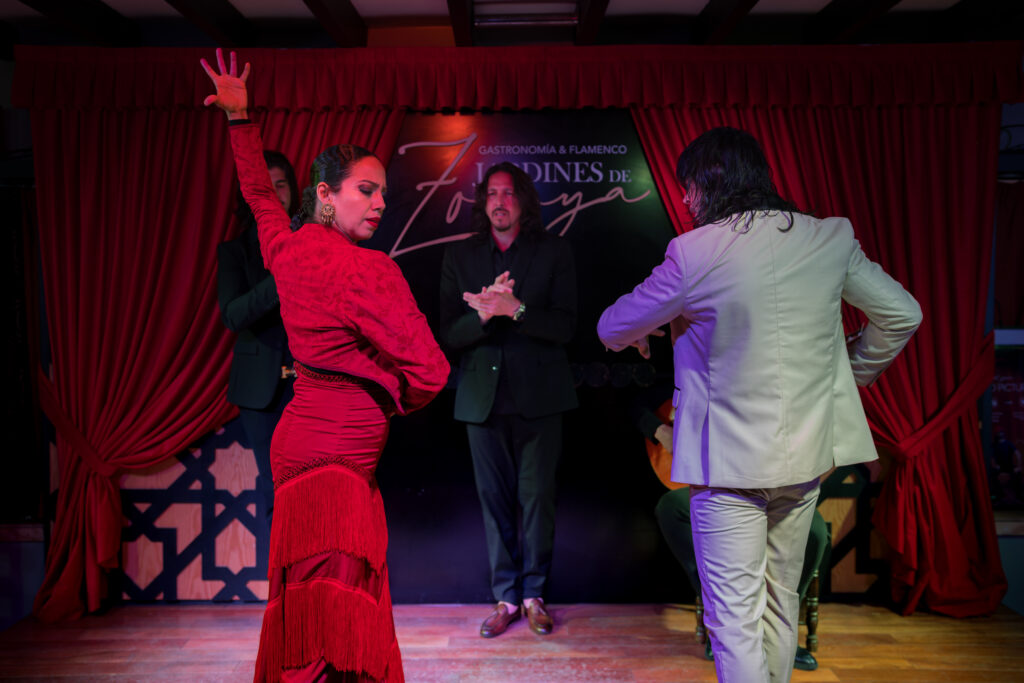
Why are they called “palos”?
Although the exact origin of the term is not completely clear, many experts believe that the word palo refers to the different branches or variations of flamenco. The name may come from the image of the branches of a tree, as flamenco is such a complex and diverse universe. Each palo shares common roots with the others, but develops its own identity through rhythm, melody and interpretation.
What makes one flamenco palo different from another?
The difference between the various flamenco styles is mainly based on four elements: compás, rhythm, emotion and musical structure.
For example, a Bulería conveys celebration and energy, while a Soleá is deep and serious. The Seguiriya expresses drama and sorrow, while the Alegrías stand out for their bright, joyful character from Cádiz. It is precisely this emotional richness that makes flamenco such a special art form.
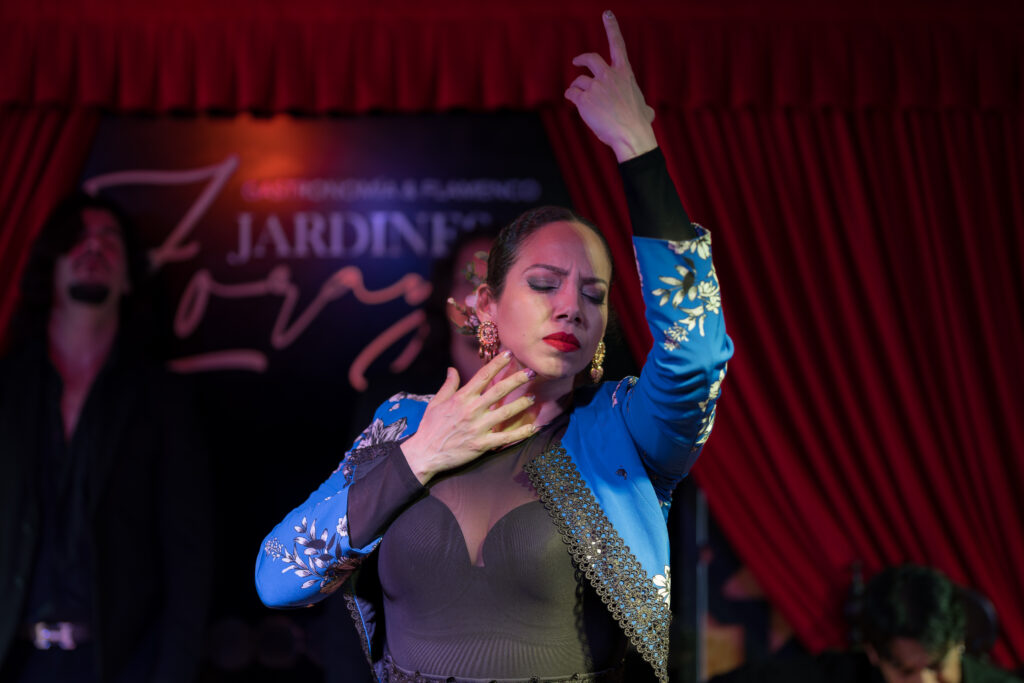
The role of singing, dance and guitar
In flamenco, each palo can be performed through three main disciplines: singing, guitar playing and dance, sometimes accompanied by castanets, popularly known in flamenco as palillos.
That is why we also refer separately to the palos of flamenco singing and the palos of flamenco dance. In tablaos, these disciplines are in constant dialogue through improvisation and compás, creating unique performances every night.
The 10 most famous types of flamenco palos
There are countless styles within flamenco. That is why we have prepared this simple guide with some of the best-known palos to help you identify their differences and better understand this art form.
Bulería
The Bulería is one of the most festive and popular flamenco palos. It stands out for its joy, energy and constant improvisation. Its compás is based on 12 beats, although it is characterised by a fast, playful rhythm with off-beat handclapping.
Originally from Jerez de la Frontera, it is easily recognised by its festive atmosphere, fast palmas and intensity, especially during the fin de fiesta. It shares its compás with the Soleá and Alegrías, but differs in its faster tempo and freer, more energetic way of accenting the rhythm.
Soleá
The Soleá is one of the pillars of cante jondo, characterised by deep, intimate and highly expressive emotion. Its compás is based on 12 beats, but it is performed at a slow rhythm full of emotional tension.
Originally from western Andalusia, it stands out for its serious character, intensity and the restrained elegance of its dance. It is one of the most important palos of traditional flamenco singing and a key reference in flamenco for its ability to convey emotion in its purest form.
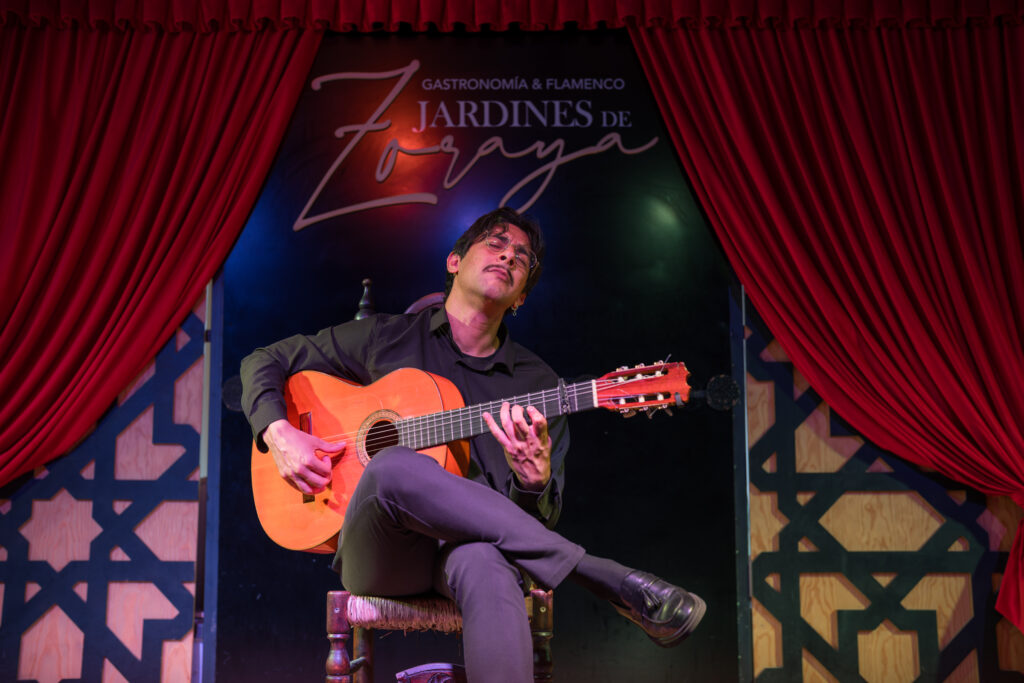
Seguiriya
The Seguiriya is one of the oldest and deepest flamenco palos, considered a pillar of cante jondo. Its emotion is intense, marked by pain, strength and a powerful dramatic charge.
Its rhythm is deep and serious, with a complex and slow compás that reinforces its imposing and heart-rending character. Originally from Andalusia, it is recognised for its intense lyrics and its ability to transmit pure emotion without artifice. Many experts consider it one of the oldest styles in flamenco.
Fandango
The Fandango is one of the most important styles in Andalusian folklore and a fundamental basis of flamenco.
Its emotion combines passion and strength, with a flexible compás and a rhythm that varies depending on the region, such as Huelva or Extremadura. It is a very diverse palo, with great melodic richness and many variations. It is recognised for its musical freedom, expressiveness and the variety of interpretations found across Andalusia.
Alegrías
The Alegrías belong to the family of the Cantiñas and originated in Cádiz, making them one of the brightest and most elegant flamenco palos. They convey emotion and happiness through their grace and festive expressiveness.
Their rhythm is dynamic, with a 12-beat compás, allowing for a dance full of movement, elegance and energy. They are easily recognised by their Cádiz flavour and by a dance style that combines technique and naturalness.
Flamenco Tangos
Flamenco Tangos are one of the most accessible and danceable flamenco palos. Their emotion combines sensuality, strength and a character that connects easily with the audience.
Their rhythm is marked and steady, with a 4-beat compás, making them easy to follow and very popular in flamenco shows. They are recognised for their clear cadence, direct energy and strong connection with popular dance.
Tientos
Tientos are a flamenco palo derived from Tangos, but with a much slower and more restrained character, giving them greater expressive depth. They combine intensity and elegance, with a slow rhythm and a 4-beat compás.
They are recognised for their slow and expressive movements, both in singing and dancing, where sobriety and inner strength prevail.
Flamenco Rumba
The Flamenco Rumba is probably the most internationally popular palo within flamenco, thanks to its festive character and its easy connection with the audience. It is pure celebration and fun, with a very catchy and accessible rhythm. It is based on a binary compás, making it simple to follow and highly danceable.
It has Afro-Cuban and flamenco influences and is easily recognised by its joyful feel, strong guitar patterns and constant energy. It is widely used in celebrations and festive settings, although it is less common in flamenco tablaos, where more classical palos are usually performed.
Sevillanas
Sevillanas are one of the most popular and recognisable Andalusian dances, present at fairs, pilgrimages and traditional celebrations.
They are an icon of celebration and tradition, with a joyful rhythm and a structure divided into four parts: the first Sevillana, second Sevillana, third Sevillana and fourth Sevillana. They are easily recognised by the partner dance, their participatory nature and the festive atmosphere they create wherever they are performed.
Artículo relacionado: ¿Qué hacer en Granada?
Los palos flamencos y su compás
One of the most fascinating aspects of flamenco is the compás. Understanding the rhythm helps you recognise each style and enjoy a performance much more.
As we have seen in the description of the palos, each one has different beats depending on its rhythm. This allows the dancer to perform footwork and palmas within the compás. Palmas are also often heard as part of a game of off-beats between the artists, which requires a true understanding of flamenco rhythm.
What is flamenco compás?
Flamenco compás is the rhythmic structure that organises each palo. It works like the “heartbeat” of flamenco and marks the rhythm followed by the singing, guitar, palmas and dance.
Musicians often learn to play using a metronome, an instrument that produces regular pulses to help maintain the tempo of a musical piece.
Musicians often learn to play using a metronome, an instrument that produces regular pulses to help maintain the tempo of a musical piece.
Flamenco palos: the easiest rhythms to recognise
Some styles are especially easy to identify, even for people discovering flamenco for the first time.
Los Tangos flamencos tienen un ritmo marcado y constante. La Rumba cuenta con un compás alegre y muy popular. La Bulería es pura energía rápida y festiva. Las Alegrías mantienen ese ritmo elegante y desenfadado. Por su parte, la Soleá nos hace sentir desde el alma por su tempo lento y profundo.
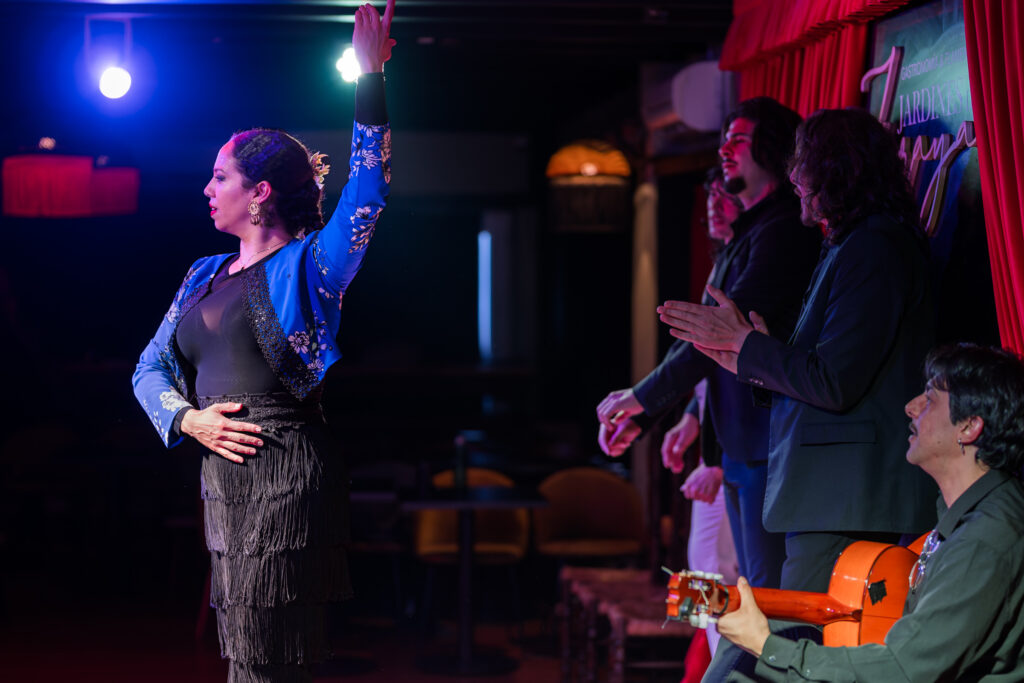
Flamenco palos: list of the best-known styles
If you are looking for a list of flamenco palos, these are some of the most important styles you will come across:
- Soleá
- Bulería
- Alegrías
- Seguiriya
- Tangos
- Tientos
- Fandangos
- Tarantos
- Tarantas
- Rumba
- Sevillanas
- Farruca
- Colombianas
- Guajiras
- Peteneras
- Malagueñas
- Granaínas
- Zambra
This list represents only a small part of all the flamenco palos that exist today.
Artículo relacionado: Cantaores Flamencos
All the flamenco palos: an art from A to Z
Many flamenco lovers want to discover all the palos of flamenco, but it is almost impossible to know everything about this art form, as flamenco is practically infinite. Exploring the palos from A to Z requires a trained ear and great consistency in listening to this type of music in order to fully enjoy them.
. The truth is that flamenco is very much alive and continues to evolve generation after generation. Many masters achieve a deep understanding of this art, yet still recognise that they do not know everything.
Artists, musicians, students and teachers all insist that each individual has a personal style that makes the performance of every palo different. It is precisely this diversity that makes flamenco one of the richest and most moving art forms in the world.
Which palos can you see in a flamenco show in Granada?
In an authentic flamenco show in Granada, you can experience some of the most moving styles of traditional flamenco. It is very common for performances to begin with slower, more sentimental songs, those that express sorrow, such as the Soleá, which is intense and profound. These are often followed by Andalusian Alegrías, full of elegance.
A flamenco tablao show gradually gains speed as it progresses. That is why Tangos often appear and may be connected with other palos such as Tientos-Tangos, where sensuality stands out and playful glances become part of the dance.
The closing palo is almost always the Bulería, thanks to its strength and energy. In this palo, improvisation takes centre stage, with playful use of clothing, spontaneous appearances from people outside the main group, and those who feel like stepping forward to dance a little. In Bulería, everything is allowed as long as the rhythm is understood. When Bulerías are heard during the show, it is usually known as the fin de fiesta.
Understanding flamenco palos completely changes the experience
When you know the different flamenco palos, the show is completely transformed. You are no longer just listening to music or watching dance: you begin to recognise emotions, rhythms, compás and different styles. You start to see the hidden language between the artists, between the performers, and the duende that emerges from every sound.
At Palacio Flamenco Granada, you can discover live flamenco with first-class artists and feel the power of some of the most important palos in this universal art form up close.
Book your tickets here: flamencogranada.com and enjoy an authentic experience full of Andalusian passion, Spanish guitar and flamenco emotion.