
Discover why flamenco singing moves the world
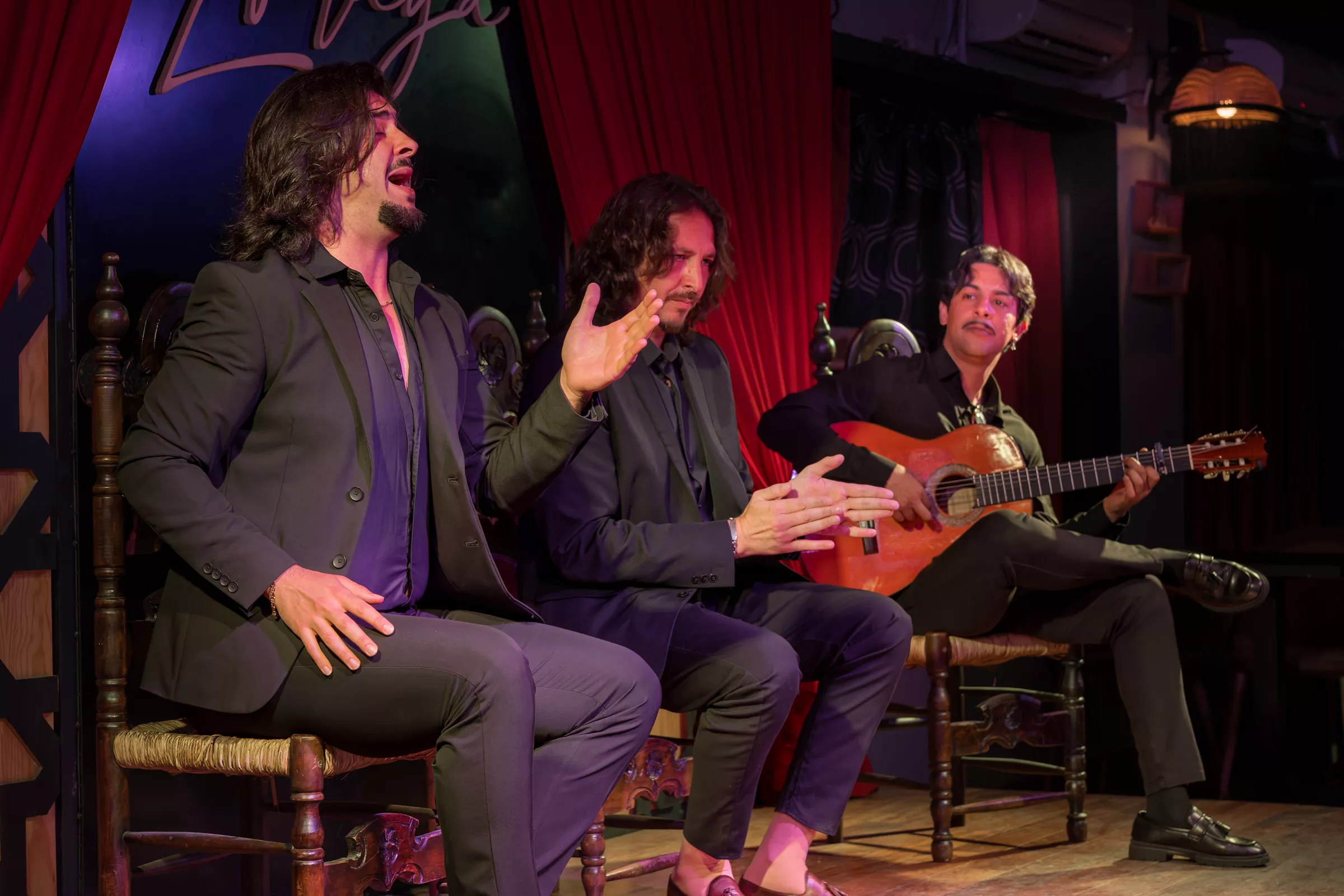
Singing is the soul of flamenco. Although dance and guitar are essential elements, it is the singer’s voice that conveys emotion, tells the story and expresses the very essence of this art.
Through its lyrics, its interpretation and its expressive depth, singing has accompanied the daily life, celebrations, work and most intimate moments of Andalusia for generations.
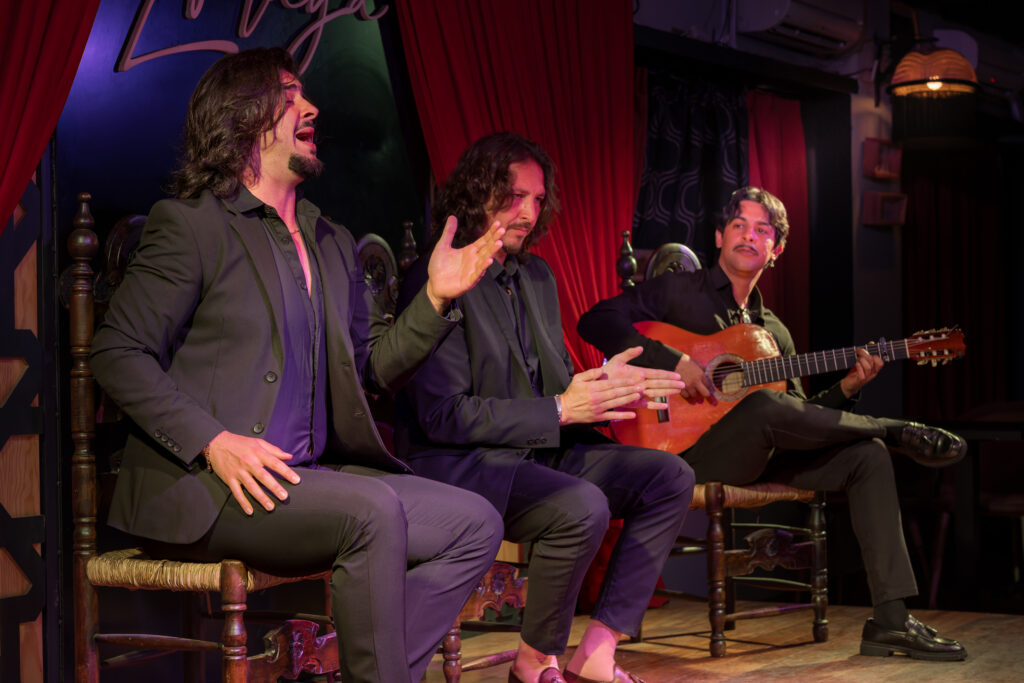
In this evolution, new generations represent the fresh blood of flamenco: artists who dare to experiment, explore new languages and engage in dialogue with other influences, while remaining rooted in the emotional depth that defines it.
Women have also played a fundamental role in the origin and transmission of flamenco singing. For centuries, many of them have been guardians of this cultural heritage, passing it down from generation to generation.
What is flamenco singing?
Flamenco singing is the vocal expression of flamenco. It involves interpreting a wide variety of styles or palos — the name given to the different flamenco styles — each with its own rhythmic structure, emotional character and technical demands.
Unlike other musical genres, flamenco singing does not seek technical perfection alone, but the ability to move. The intensity of the interpretation, the mastery of the compás and the connection with the audience are what truly define a great singer.
For centuries, this singing was transmitted orally, from generation to generation, preserving an enormous richness of nuance that still characterises this art today.
The flamenco cantaor and interpretation
The protagonist of singing is the singer or singer, whose task is to bring the lyrics to life through a deeply personal interpretation.
Each singer has a unique timbre and a different way of expressing emotions. That is why the same solea or seguiriya can sound completely different depending on who performs it.
The lyrics are usually brief, but they condense stories of love, heartbreak, loss, hope, pride, joy or nostalgia. The music, however, tends to be extensive; guitar solos can stretch a piece far beyond its written form.
Singing, toque and baile flamenco
Flamenco rests on three great pillars: singing, guitar and dance. Although each has its own identity, only when they unite do they reach their fullest expression.
When we speak of singing and guitar, we refer to the constant dialogue between the singer’s voice and the flamenco guitar. The guitarist does not merely accompany; he listens, responds, sustains and enhances every phrase.
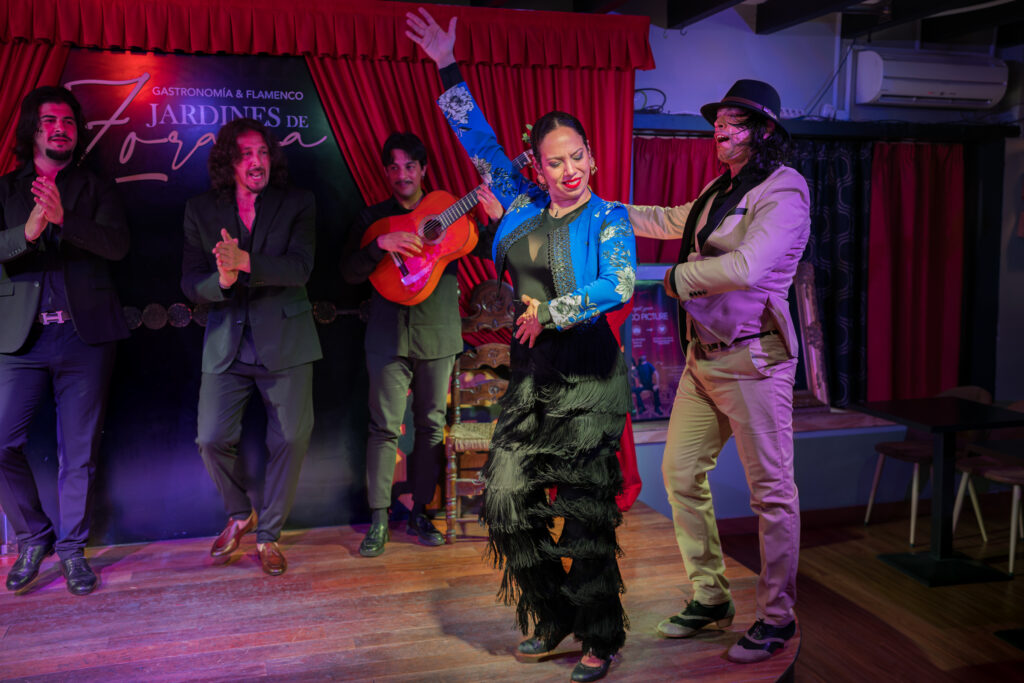
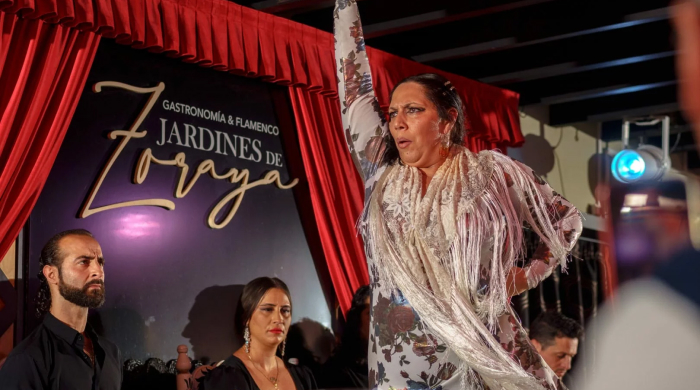
Dance and flamenco singing maintain an equally close relationship. The dancer translates into movement the emotions the singer expresses with his voice, while both lean on the compás and the guitar.
This connection between singing and flamenco dance makes every performance an exercise in real-time artistic creation. Nothing is entirely fixed, and every show is unrepeatable. The result is an art form that is always alive.
Origin and evolution of flamenco singing
The origin of flamenco singing lies in Andalusia, the fruit of an encounter between different cultures that coexisted over centuries.
The Andalusian flamenco singing was enriched by Arab, Jewish, Castilian and popular Andalusian influences. To this mix was added the decisive contribution of the Gypsy community, which developed a unique expressive intensity.
Flamenco Gypsy singing brought to all these influences an expressive intensity that would mark the development of many styles considered to be at the core of flamenco.
For a long time, ancient flamenco singing was transmitted solely in oral form. There were no scores or recordings, so each generation learned by listening to the previous one. This oral tradition is one of the main reasons for flamenco’s richness and variety.
With the professionalisation of the cafes cantantes in the nineteenth century, and later with festivals, tablaos and recordings, cante evolved. Today, streaming platforms and social media have opened it up to a global audience.
What are the cantes jondos?
The word jondo comes from the Andalusian pronunciation of “hondo” (deep).
Cantes jondos represent the deepest, oldest and most solemn part of flamenco. They are characterised by an enormous emotional charge and address themes such as death, pain, solitude, destiny and human suffering.
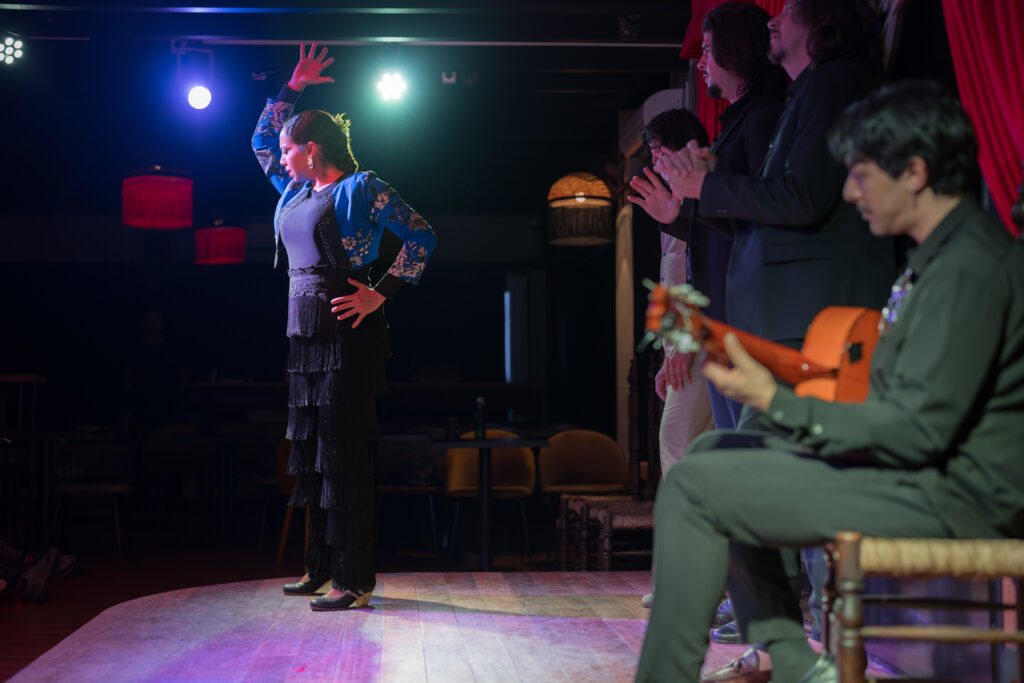
Among the styles usually considered jondo, the most prominent are the Solea, the Seguiriya, the Tonas, the Martinetes and the Debla. These are styles of great interpretive difficulty and require a profound command of flamenco.
Differences between cante jondo and flamenco singing
Although often used as synonyms, cante jondo and flamenco singing do not mean exactly the same thing.
Flamenco singing encompasses all the styles or palos that form part of flamenco, from the most profound to the most festive. Cante jondo, on the other hand, refers only to those styles that are considered deepest and most serious.
Cantes jondos tend to speak of pain, death, destiny, solitude or human suffering, and are characterised by a solemn, emotion-laden interpretation. Within this category are the solea, the seguiriya, the martinete and the tona.
Other flamenco palos, such as alegrias, bulerias, tangos or many fandangos, have a more luminous, festive or carefree character and, although they are fully flamenco, are not usually classified as jondo.
In short, all cante jondo is flamenco singing, but not all flamenco singing is cante jondo. Cante jondo represents the deepest and most solemn expression of flamenco, while flamenco singing covers the full breadth of this art.
Main types of flamenco singing
Flamenco has dozens of different styles, known as palos, grouped according to their origin, compas or character. To discover all the varieties, consult our guide to the main flamenco palos.
Among them we find styles considered pure flamenco singing and cante grande, as well as others that are more festive or of relatively recent creation. Below we name many of them, grouped by family.
Solea and Seguiriya
The solea is considered one of the pillars of flamenco. Its slow rhythm and enormous emotional depth make it one of the most representative styles of cante jondo.
The seguiriya has an even more dramatic character. Its lyrics typically speak of suffering, loss and destiny, making it one of the most demanding styles for any singer.
Flamenco singing por fandangos
The fandangos form one of the broadest and most varied families in flamenco. Flamenco singing por fandangos brings together numerous styles spread across Andalusia, each with its own personality.
Among the best known are the Fandangos de Huelva, cheerful in character and closely linked to dance, with local variants such as those from Alosno or Valverde del Camino. Also widely recognised are the fandangos from Malaga and Lucena.
In Granada we find the fandangos del Albaicin, a variant with a strong personality that reflects the flamenco tradition of the city and its close relationship with the Sacromonte neighbourhood.
Cante por fandango also gave rise to the personal fandangos, created by great flamenco figures such as Pepe Marchena, Manolo Caracol, El Gloria or Antonio el Chaqueta.
Finally, there are the natural fandangos or free fandangos, performed without a fixed compás, allowing the singer great melodic and expressive freedom.
Tangos and bulerias
Cante por tangos is one of the most accessible and popular styles in flamenco. Its compas favours dance and allows for great interpretive richness.
Cante por tangos flamencos has numerous variants depending on the area of Andalusia where it is performed. Notable are the Tangos de Cadiz, with a more festive character; the Tangos de Triana, of great rhythmic richness; and the Tangos de Malaga.
For its part, cante por bulerias is probably the most festive style in flamenco. It demands great rhythmic mastery, improvisational ability and close communication between singers and musicians.
Alegrias and sevillanas
Flamenco singing por alegrias was born in Cadiz and is one of the most representative styles of festive flamenco. Its twelve-beat compas, elegant character and luminous air convey optimism and joy.
On the other hand, cante por sevillanas tends to cause some confusion.
Although many people consider sevillanas to be a flamenco palo, they are not actually part of the traditional classification of flamenco palos. They are a genre of popular Andalusian music and dance, distinct from flamenco proper.
Cantes de trilla and work songs
The work songs arose to accompany agricultural labour and other traditional trades, helping to mark the rhythm of work and make long working days more bearable. Among the most representative are the cante de trilla and the cante de arrieros.
The cante canastero, later popularised by artists such as Camaron de la Isla, is a more modern creation inspired by traditional sonorities.
Cantes de Levante
The Cantes de Levante were born in the mining regions of south-eastern Spain, especially in Almeria, Murcia and Jaen. Like other work songs, they arose linked to the hard life of the miners.
Within this family, the tarantas and tarantos stand out. The taranta is performed free of compas, allowing the cantaor greater expressive freedom. The taranto has a fixed compas and is closely linked to dance.
Colombianas and guajiras
Colombianas and guajiras belong to the group of cantes de ida y vuelta — styles born of cultural and musical exchange between Spain and the Americas during the nineteenth and early twentieth centuries.
Cante por colombianas appeared during the twentieth century, inspired by American rhythms, and was popularised by artists such as Pepe Marchena.
Guajiras retain an elegant, joyful and melodic character. Their origin is closely tied to the intense commercial and migratory links between Spain and Cuba.
Cuba’s influence can also be seen in the celebrated tangos del Piyayo, created by the Malaga cantaor El Piyayo, whose lyrics evoked scenes from his life in Havana.
Characteristics of flamenco singing
The voice and expression
Each cantaor has an unrepeatable timbre.
In flamenco there is no single correct way of singing. Authenticity, emotion and the ability to convey feelings are far more important than technical perfection.
Flamenco lyrics
Flamenco lyrics tend to be brief, but they contain enormous poetic force. They speak of love, heartbreak, loss, family, work, daily life, celebration or absence, reflecting both individual and collective experience.
Compas and guitar accompaniment
Each flamenco palo has its own compas that helps to identify it. For example, bulerias are built on a fast, vibrant twelve-beat compas, while tangos use a four-beat compas with a completely different feel.
The guitar sustains the rhythm, creates the atmosphere and engages in constant dialogue with the cantaor. In a solea, for example, the guitar marks every emotional turn with extraordinary precision.
Thanks to this interaction between singing, toque and compas, flamenco achieves a musical richness hard to find in other genres, making every interpretation unique and unrepeatable.
Live flamenco singing
Hearing flamenco live completely transforms the experience.
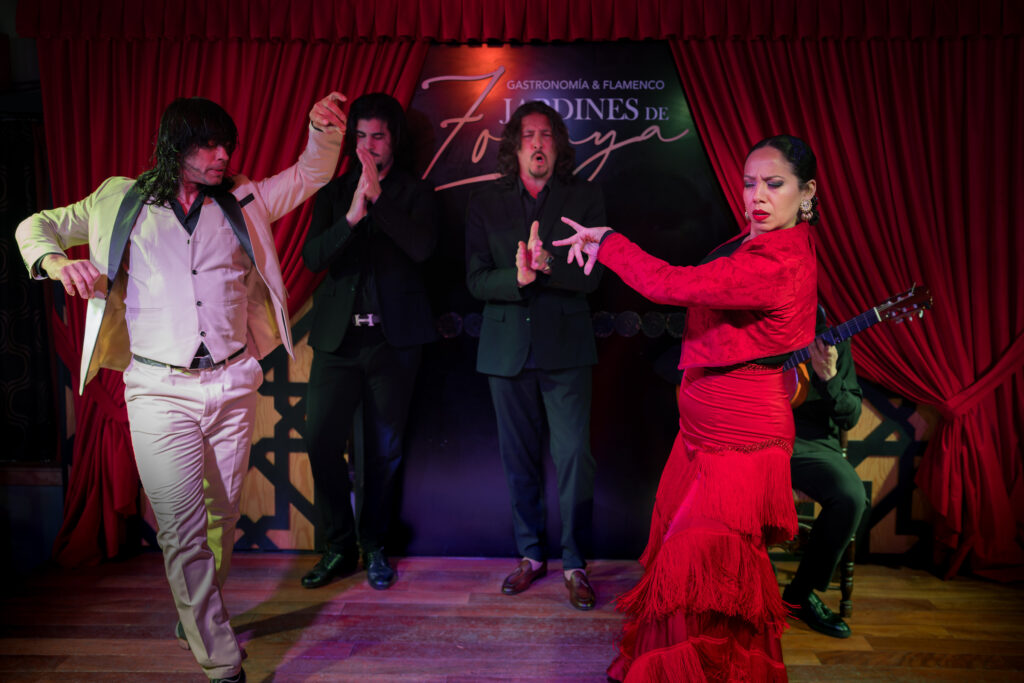
In a tablao, the spectator perceives every breath, every silence and every nuance of the performance. There is also a fundamental difference between cante pa’lante and cante pa’tras. The former takes centre stage independently; the latter supports and accompanies the bailaor.
During the show, communication between cantaor, guitarist and bailaores is constant. Improvisation, calls, remates and musical responses mean that no two performances are exactly alike.
That closeness with the artists allows you to feel the emotional intensity of flamenco in a way that no recording can ever reproduce.
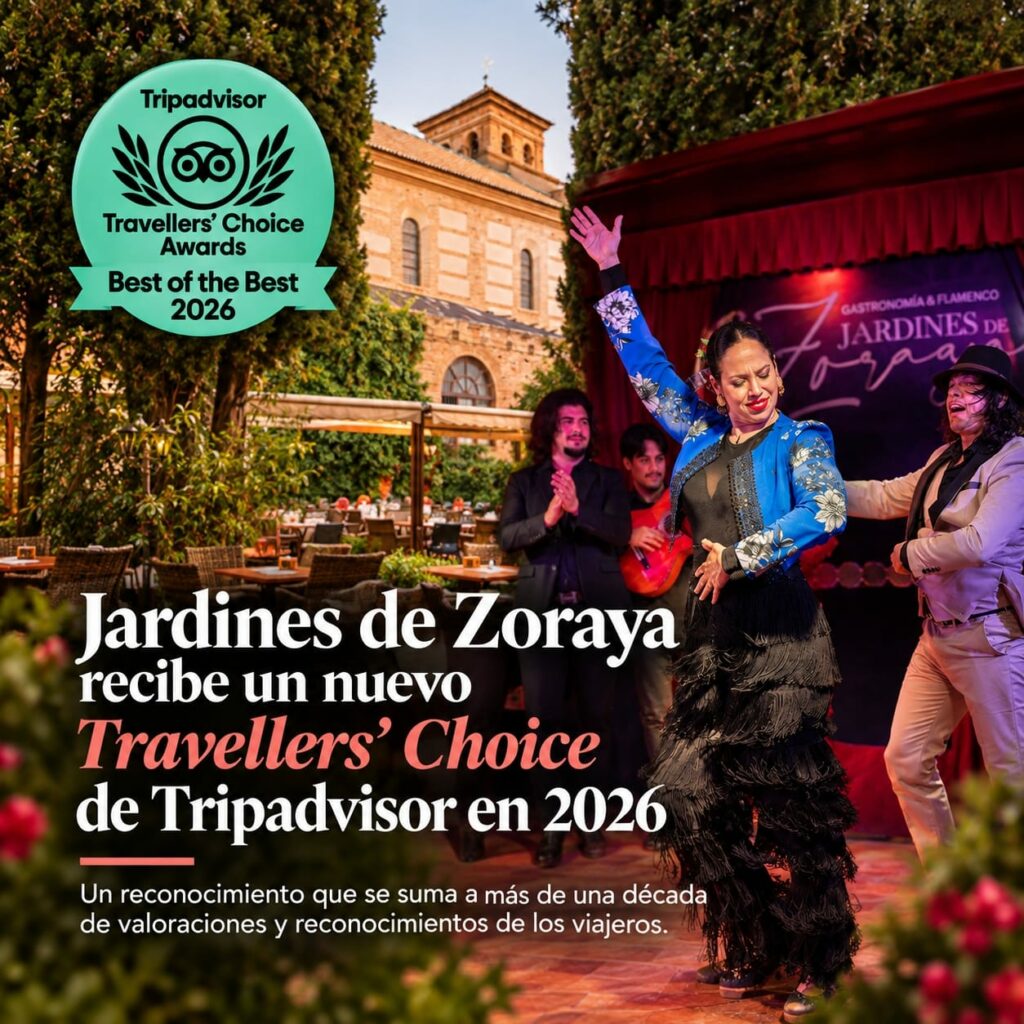
If you wish to discover flamenco singing in all its authenticity, experiencing a show in the heart of the Albaicin is an unforgettable experience. At Jardines de Zoraya you can enjoy one of Granada’s most acclaimed flamenco shows.