
Shows at 18:00, 20:00 and 22:30 · Albaicín, 5 minutes from the Mirador de San Nicolás
Flamenco guitar show in Granada
Live flamenco guitar, every day, in a room with only two rows. Two metres away you hear things a speaker cannot carry. Flamenco in Granada in its purest form.
What flamenco guitar is
People assume the guitar sits in the background, providing a backdrop — and in flamenco it does not work that way.
The guitar holds up the singer, marking the compás and giving the key. And at the same time it answers the dancer: when the foot calls, the guitar picks up the call and changes with it. It is talking to both at once, live and without a script.
That is why a tablao guitarist does not play a piece: he plays what is happening that night.
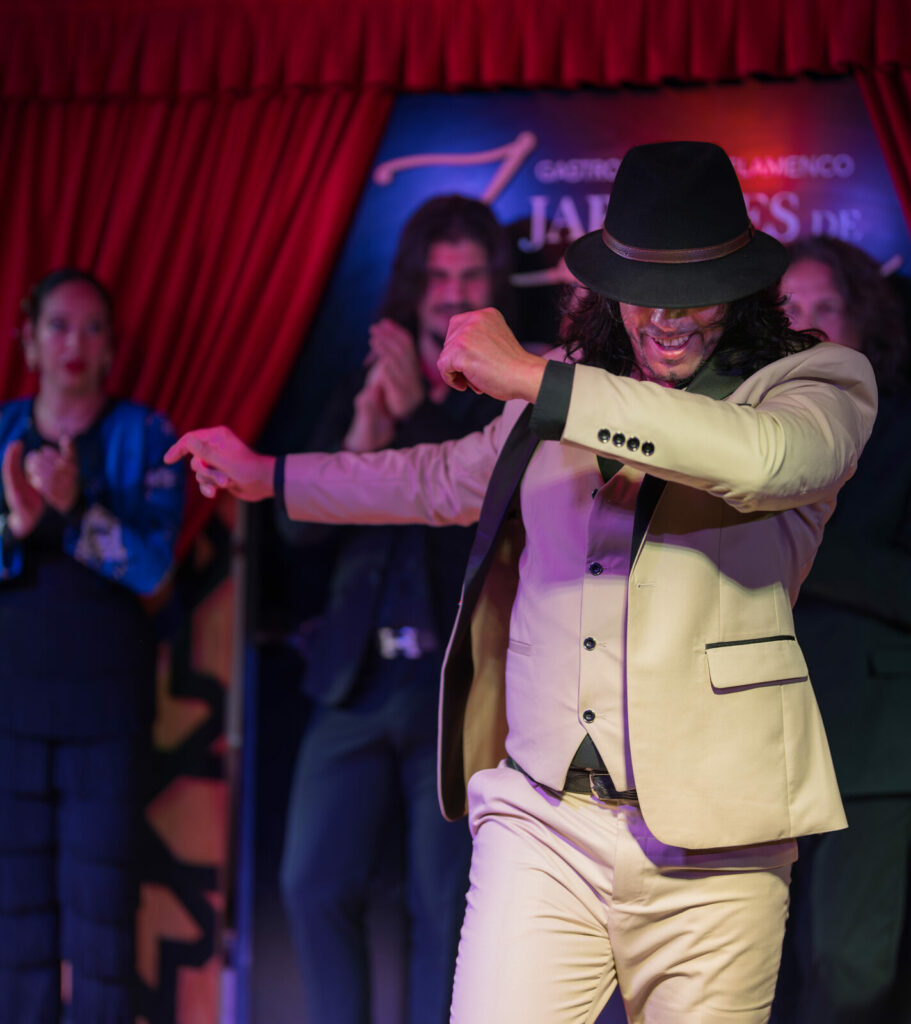
The falseta, and the moment it is left alone
A falseta is the passage the guitarist slips in between the verses of the cante. There he stops accompanying and proposes something of his own, for a few seconds, before handing the turn back.
And in our shows there is something more: there are moments when the guitar is left alone and everything else falls silent. No singing, no dancing, no palmas. Just the tocaor.
It is the moment you understand why the flamenco guitar is considered a concert instrument and not an accompaniment, and it is also the hardest thing to find in a show designed for tourists.

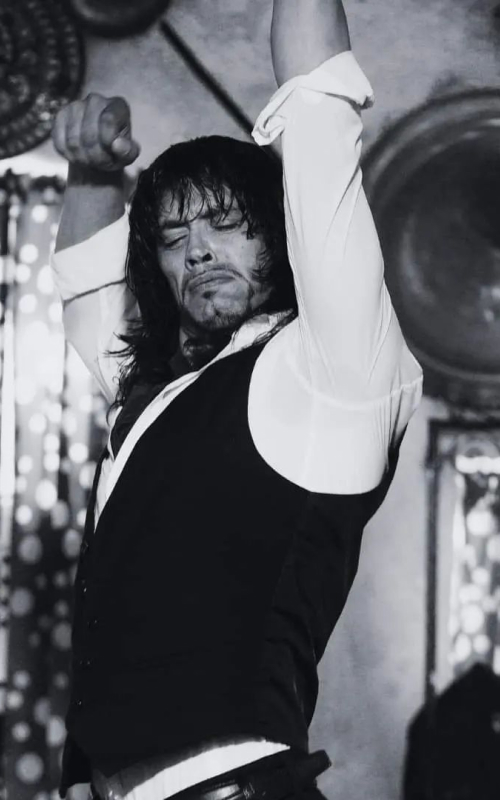
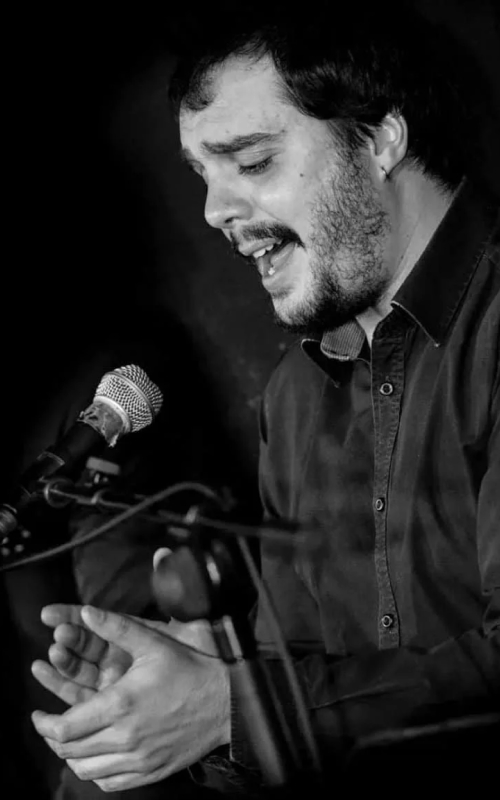
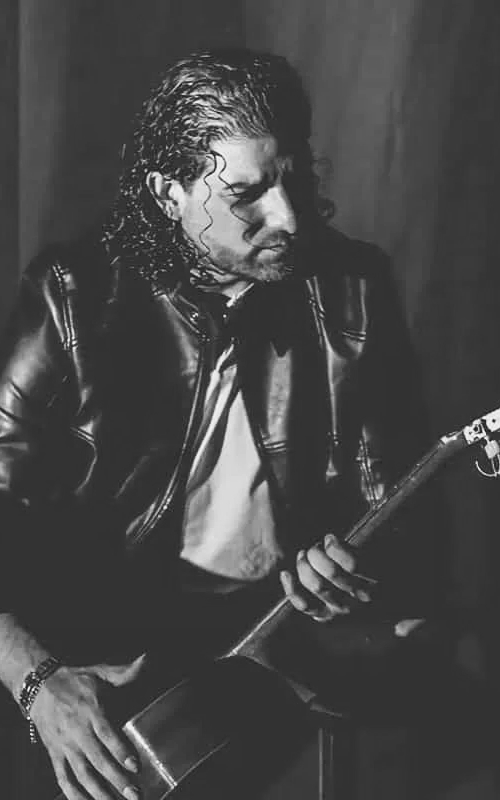
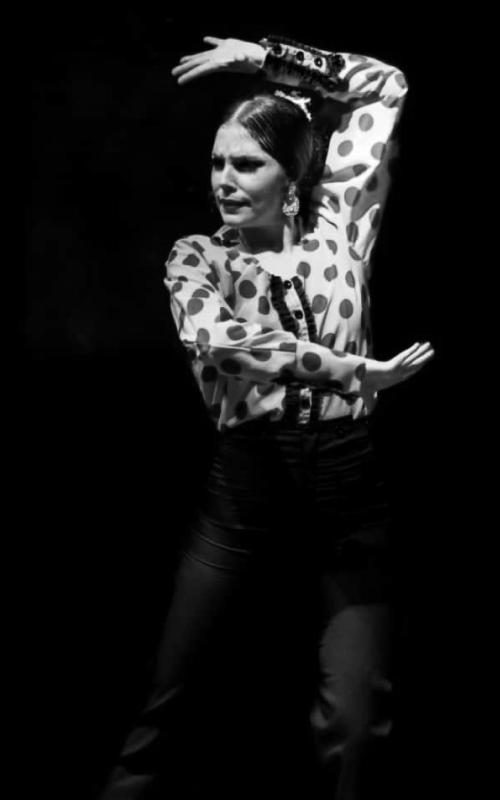
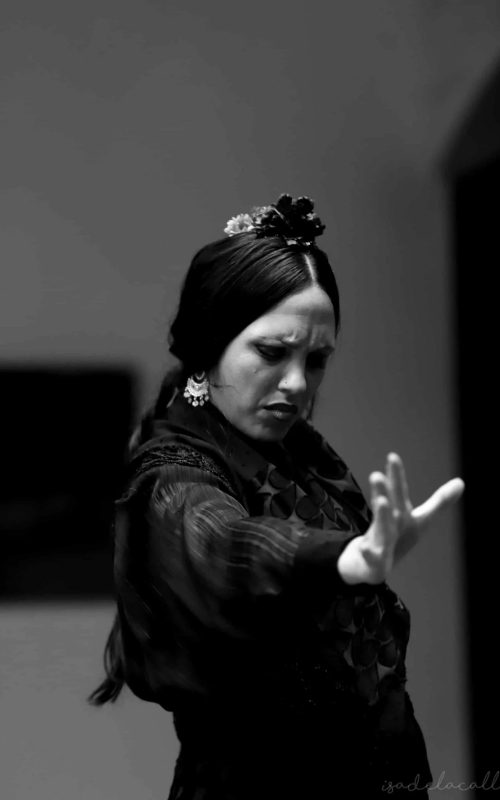
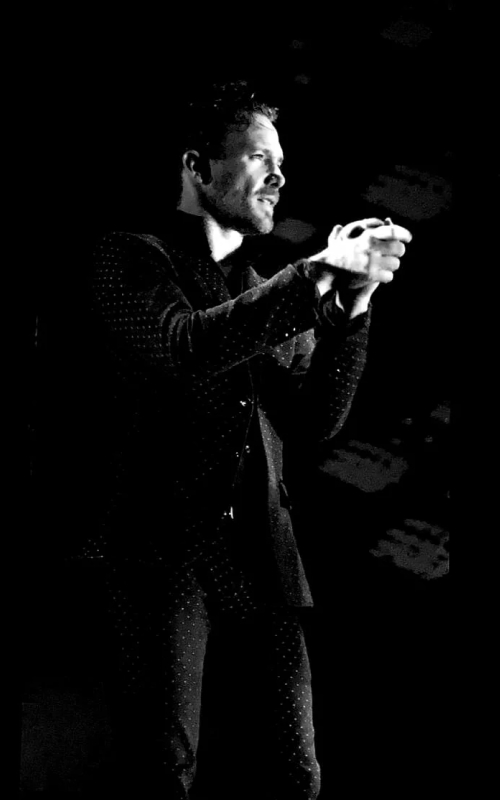
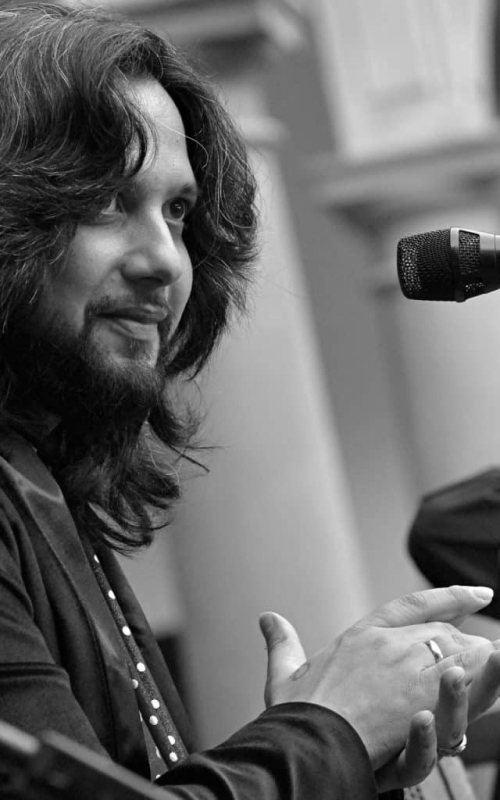
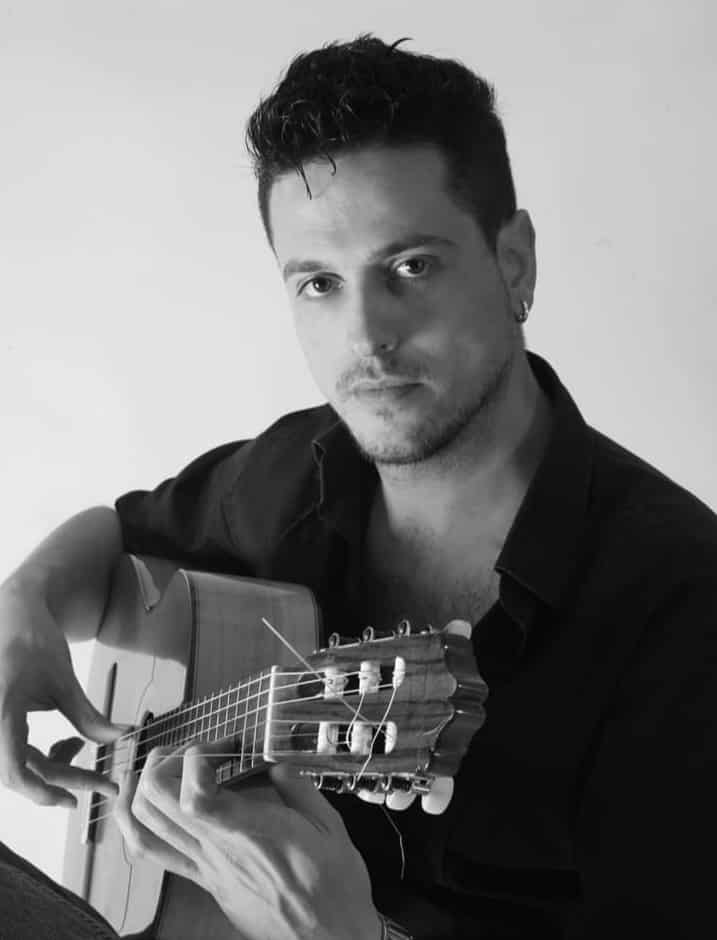
Why the guitar sounds different from two metres away
The flamenco guitar makes many sounds that are not notes, and they are half of what makes it flamenco.
The rub of the fingers sliding along the string. The tap on the soundboard, which is percussion and not a mistake. The rasgueo opening like a fan. The nail against the fret. And the silence just before coming in, which always lasts longer than you expect.
None of that survives a loudspeaker or twenty metres of distance. The small things go first, and they are exactly what tells one tocaor from another.
In our room, laid out in a U with two rows, you are a couple of metres from the instrument. You can hear the wood.

Questions about the flamenco guitar show in Granada
Yes. During the shows there are moments when the rest of the group falls silent and only the tocaor remains.
60 minutes. If you are coming just for the show, arrive 30 minutes early; with dinner, allow 1 hour 45 minutes.
The room has two rows in a U shape, so from any seat you are a couple of metres from the musicians.
No. The line-up rotates and the programme changes every week.
Yes. Children under 7 get in free and those aged 7 to 12 pay €15.
- Ticket: €25 · Children aged 7 to 12: €15 · under 7, free
- With dinner, added to the ticket: Sabores de Andalucía, Menú Zoraya or paella (See the flamenco restaurant)
- Free cancellation up to 24 hours in advance