
Shows at 18:00, 20:00 and 22:30 · Albaicín, 5 minutes from the Mirador de San Nicolás
Flamenco singing show in Granada
Live flamenco singing every day, in a carmen in the Albaicín and in a room with only two rows. Close enough to hear the singer breathe. The flamenco tablao in Granada with the finest cante.
What flamenco singing is
Of the three pillars of flamenco, the cante comes first. Not in importance: in order. Flamenco was born as a voice, and the guitar and the dance came later, around it.
You can still feel that in a tablao. The singer chooses the palo —por soleá, por bulerías, por tangos— and with that decision sets the compás, the speed and the mood of everything that is about to happen. The guitar follows. The dance follows.
When the singer decides to stretch a verse, everyone stretches. When he closes, everyone closes. It is the only voice in the room that does not have to ask permission.
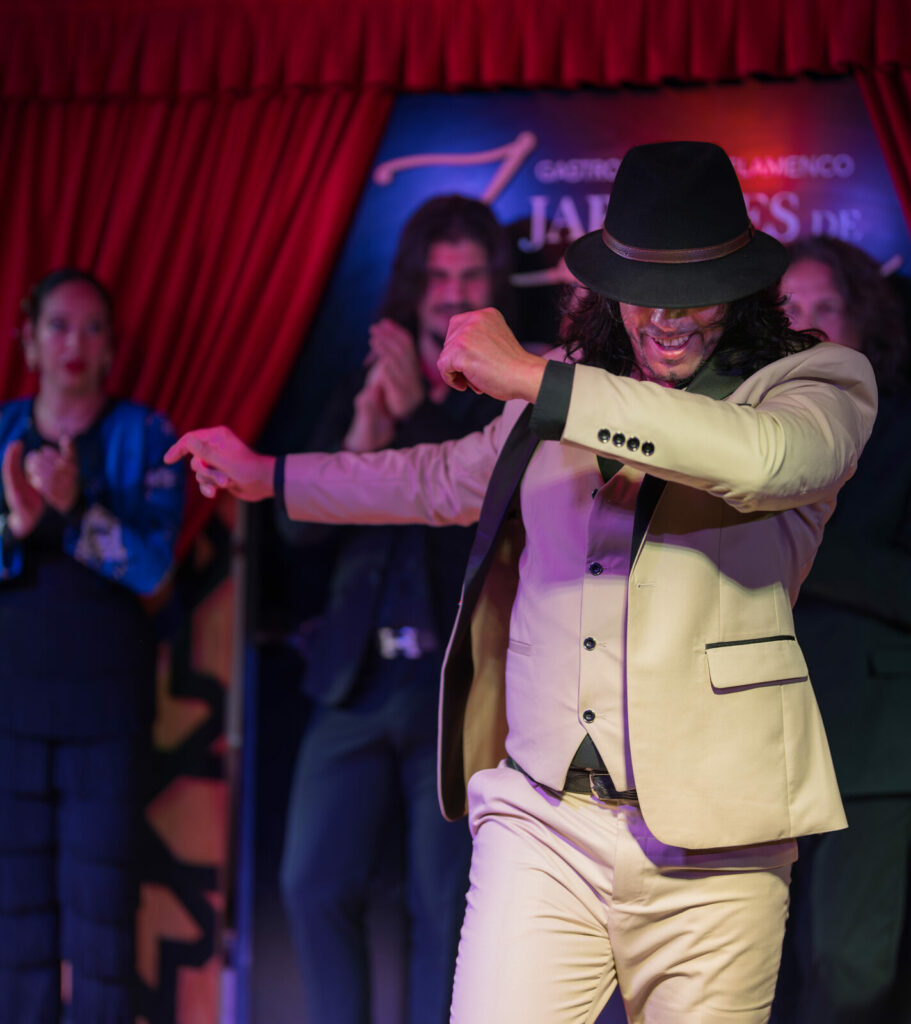
Palmas are not applause
This is the most common misunderstanding among first-time visitors. You hear clapping throughout the show and take it for the audience’s enthusiasm.
It is not. Palmas are an instrument, and in our shows they are always there.
They are played in two ways. Sordas, with cupped hands, sound low and hold things up from underneath. Abiertas, with a flat palm, are dry and sharp. Whoever plays them is not cheering: they are marking the compás and holding the whole building together while the singer takes liberties on top.
Once you learn to hear them separately, the show changes. And up close you can tell them apart; from a distance they blend into background noise.

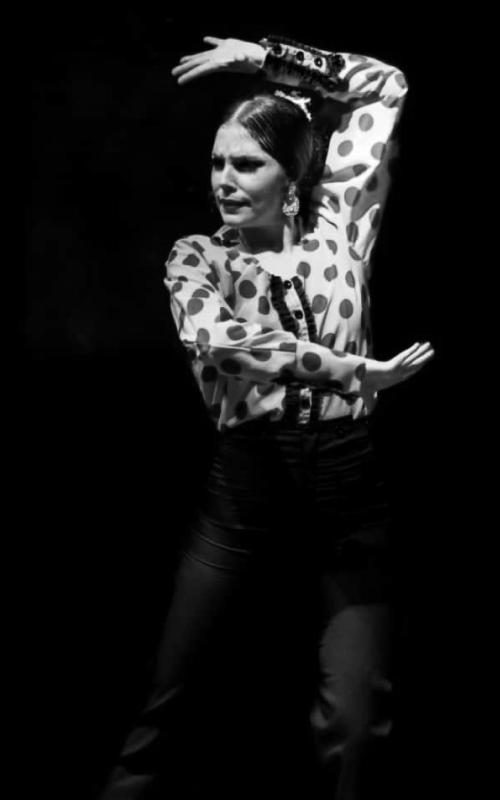
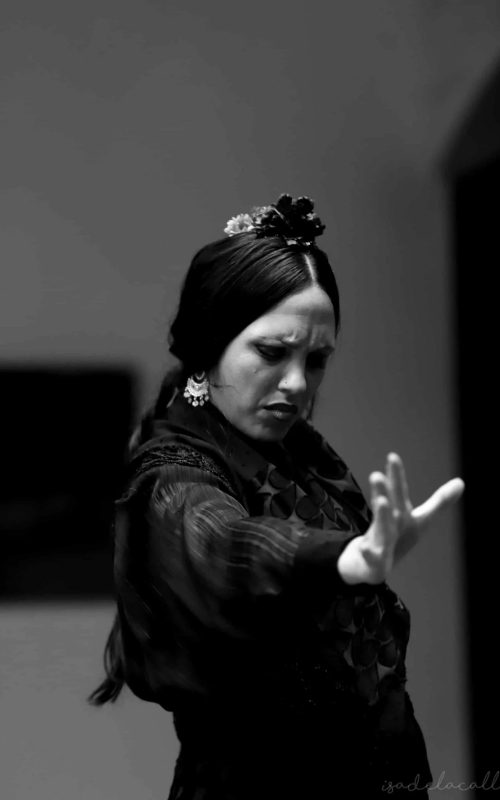
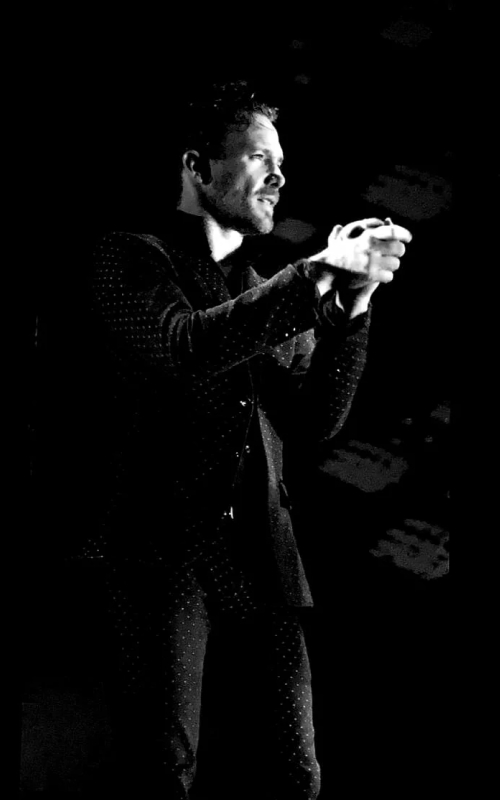
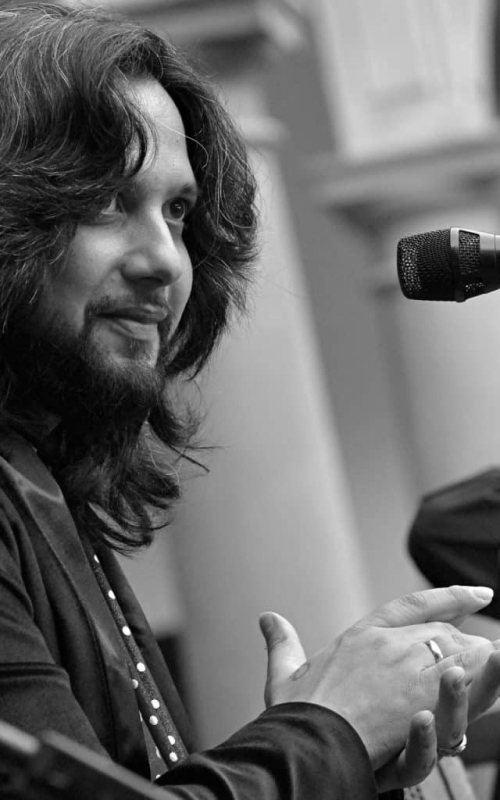
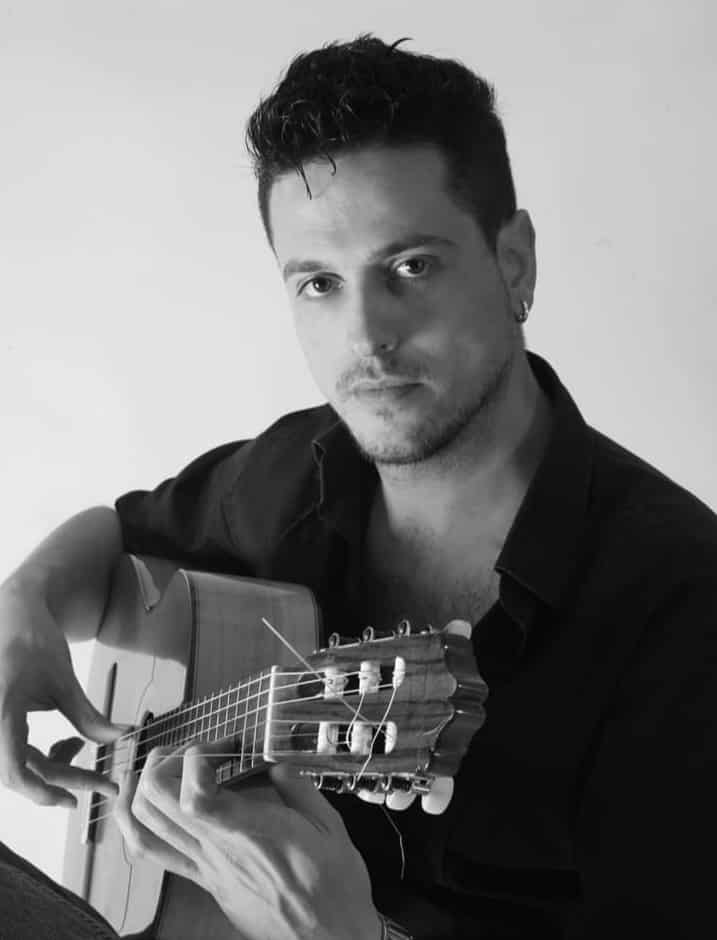
Why it moves you without understanding the words
It happens all the time, and it surprises many people: people who do not speak Spanish come out of the show saying they got goosebumps.
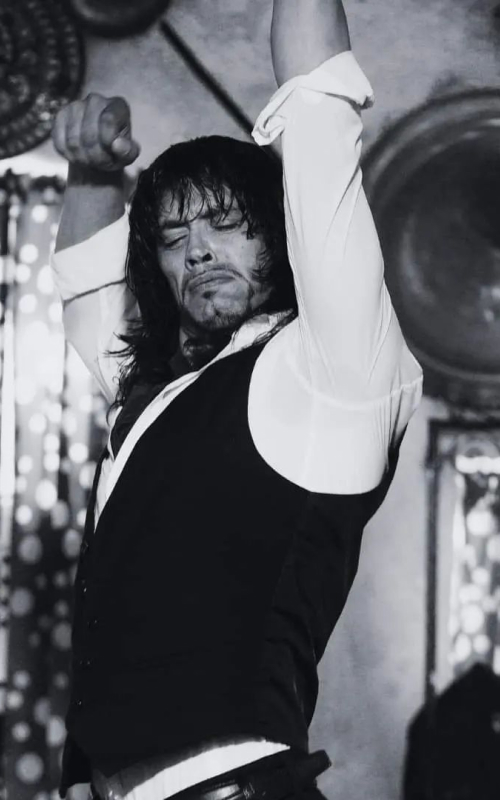
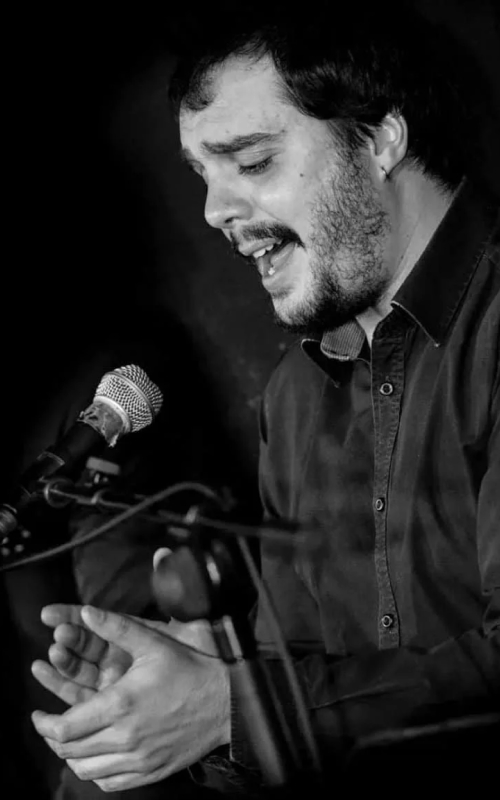
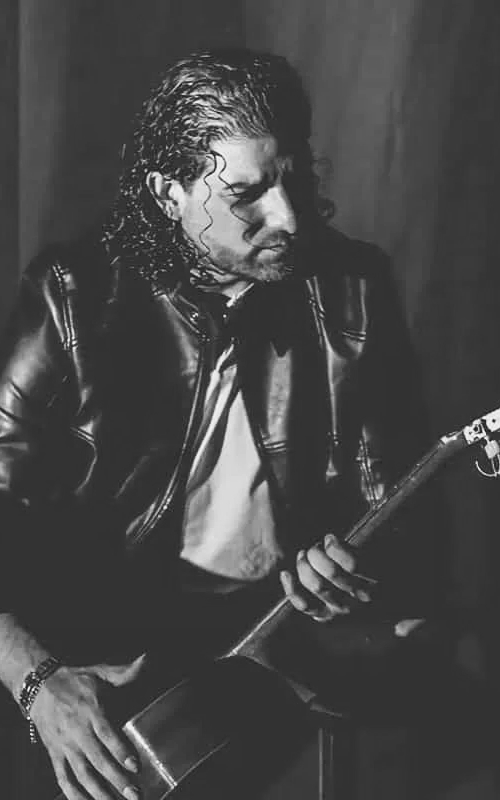
The explanation is that in cante the meaning is not mainly in the words. The lyrics are short, they repeat, they break off halfway. What communicates is how it is sung: where the voice cracks, how long a note is held, when it goes quiet.
That is why flamenco prizes a broken voice — the so-called voz afillá, hoarse and gritty— where other kinds of music would look for a clean one. And that is why the quejío, the wordless lament that so often opens a cante, is the first thing you understand even though it means nothing.

Questions about the flamenco singing show in Granada
Yes. Cante is in every show, alongside the guitar, the dance and the palmas.
Even if you do not speak Spanish, cante is understood through how it is sung more than what it says. It is common to be moved without following the words.
60 minutes. If you are coming just for the show, arrive 30 minutes early; with dinner, arrive 1 hour 45 minutes early.
No. The line-up rotates and the programme changes every week.
Yes. Children under 7 get in free and those aged 7 to 12 pay €15.