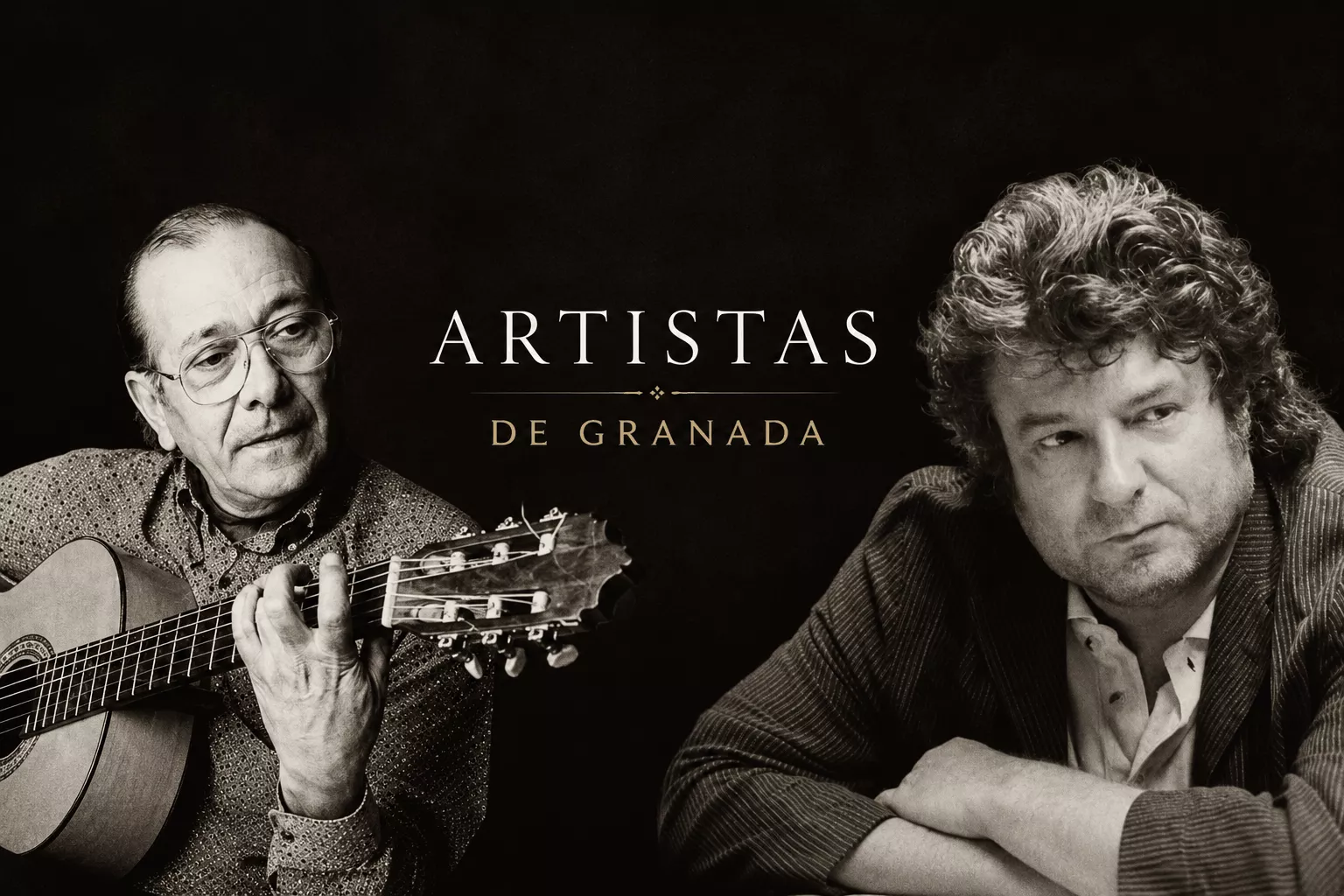
Granada is one of the essential cities for understanding the history of flamenco. The Albaicín, the Sacromonte and its tradition-steeped neighbourhoods have seen some of the art’s most important figures born and raised within their walls — singers, guitarists and dancers who have carried Granada’s name to every corner of the world and helped elevate flamenco from generation to generation.
Today that legacy lives on in venues such as Jardines de Zoraya, located in the heart of the Albaicín, where every night song, dance and guitar continue to move those who come in search of an authentic flamenco dinner-and-show experience in Granada.
Enrique Morente, the revolutionary of flamenco
Born in the Albaicín in 1942, Enrique Morente is one of the most influential figures in contemporary flamenco. His restless artistic spirit led him to explore new paths without ever losing his roots.
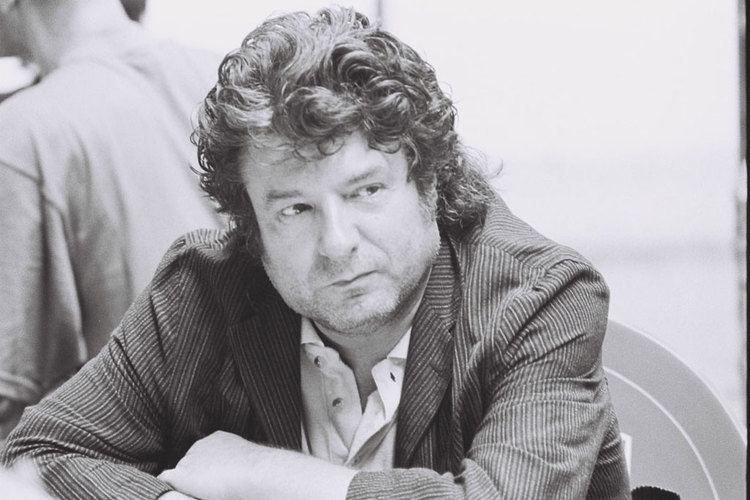
Albums such as Omega, recorded with the Granada-based group Lagartija Nick, marked a clear before and after, proving that flamenco could enter into dialogue with other musical genres without surrendering its essence.
His legacy continues to be a touchstone for artists around the world.
You might also enjoy: Enrique Morente, the singer who transformed flamenco
The Habichuela family, an indispensable dynasty
To speak of Granada flamenco is to speak of the Habichuela family. This storied Gypsy clan, rooted in the Sacromonte and the Albaicín, has produced some of the most important guitarists in the history of the art.
Juan Habichuela
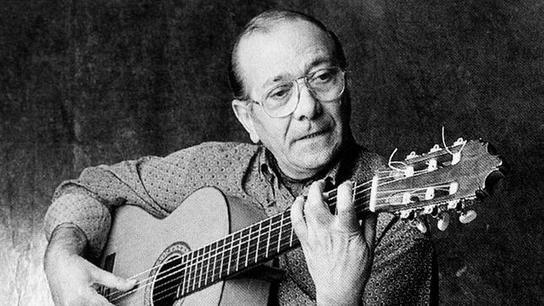
Juan Habichuela (1933–2016) was one of the great masters of the flamenco guitar. He accompanied artists such as Camarón de la Isla, Enrique Morente and Manolo Caracol, leaving a deep imprint on several generations of guitarists.
His playing — elegant and full of sensitivity — remains an undisputed point of reference within flamenco.
Pepe Habichuela
Pepe Habichuela is another of the family’s towering figures. His international career and his collaborations with musicians from many different cultures have helped carry Granada flamenco to stages all over the world.
Mario Maya and the revolution of dance
Although born in Córdoba, Mario Maya developed much of his artistic career in Granada, becoming a pivotal figure in the evolution of flamenco dance.
His ability to blend tradition with modernity allowed him to create innovative productions that ushered in a new era for flamenco dance.
His influence is still clearly visible in many dancers performing today.
You might also enjoy: The greatest flamenco dancers in history
Marina Heredia, one of today’s great voices
Marina Heredia embodies the continuity of Granada flamenco in the present day. Born in Granada and belonging to a family with deep flamenco roots, she has become one of the most acclaimed female singers on the contemporary scene.
Her voice and her interpretive gifts have conquered stages across Spain and many other countries, keeping the essence of Granada’s cante very much alive.
Estrella Morente, heir to a great tradition
Daughter of Enrique Morente and the dancer Aurora Carbonell, Estrella Morente is one of the most celebrated artists in contemporary flamenco.
Her international career and her extraordinary capacity to convey emotion have made her one of the foremost ambassadors of Granada flamenco.
Curro Albayzín, guardian of the Sacromonte zambras
Curro Albayzín is an indispensable figure for understanding Granada’s flamenco tradition. His work has been fundamental in preserving the zambras of the Sacromonte and spreading the flamenco culture deeply tied to Granada.
His efforts have helped keep alive many of the city’s oldest traditions.
Flamenco lives on in Granada
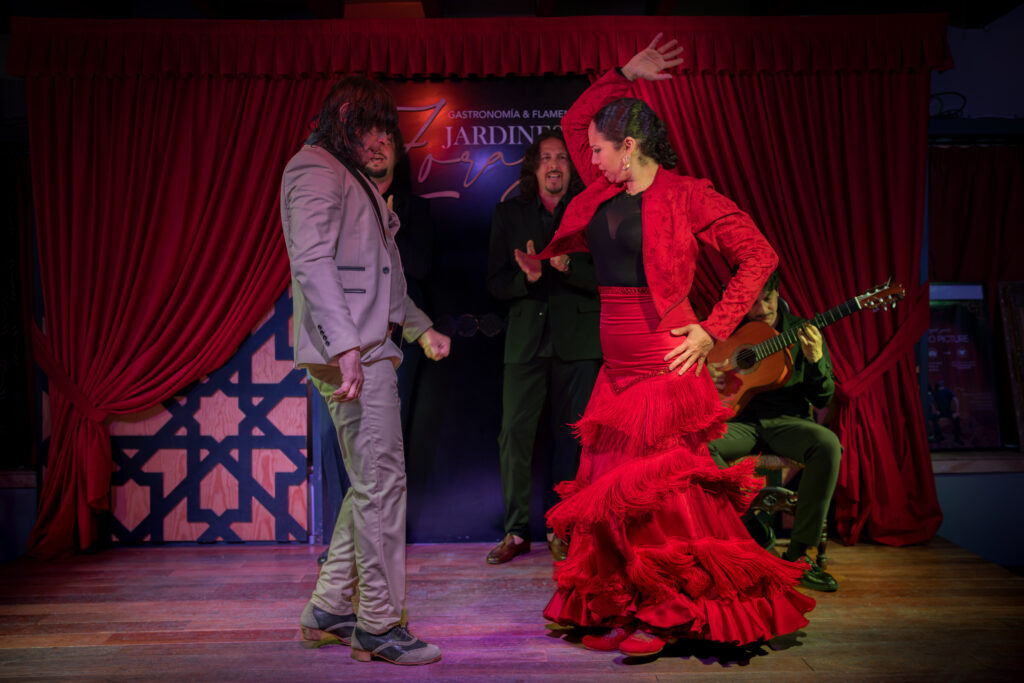
Granada has not only given flamenco some of its greatest artists — it remains a city where this art is lived every single day. The Albaicín and the Sacromonte preserve a unique tradition that draws enthusiasts from across the globe.
In venues such as Jardines de Zoraya — a flamenco tablao set in an authentic Granadine carmen in the Albaicín — audiences can experience every evening a combination of Mediterranean cuisine and flamenco performance that keeps alive the legacy of artists like Enrique Morente, the Habichuelas and Marina Heredia.